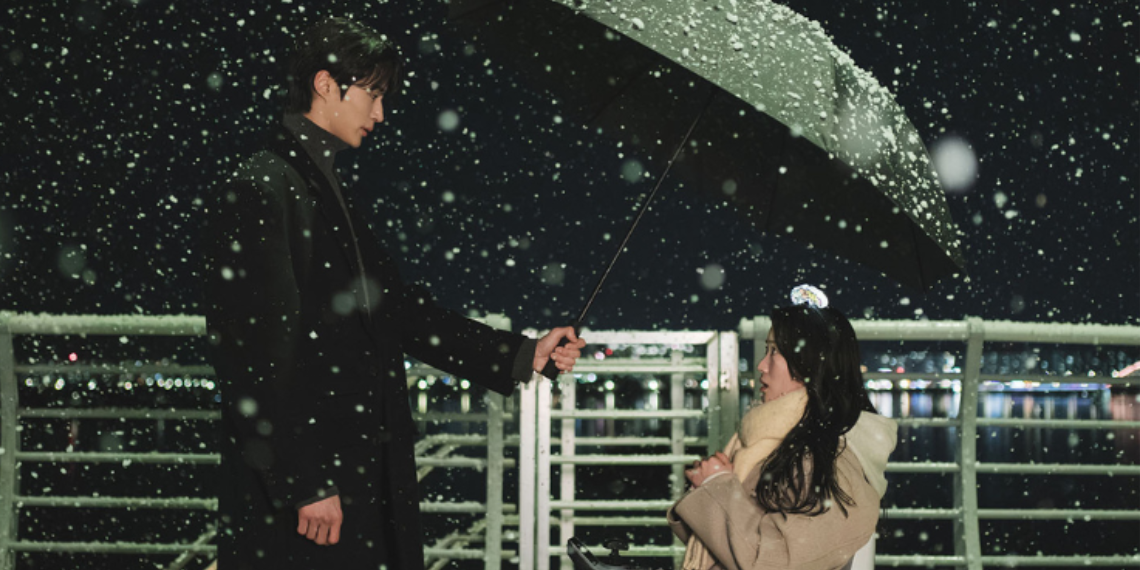
As November arrives, the air grows crisp and chilly, making you reach for cozy sweaters, warm drinks, or a 핫팩 (hat-paek/hot pack) tucked in your pocket. The streets are lined with golden leaves, mornings are foggy, and evenings bring a gentle, cold breeze. This is the perfect season to learn Korean expressions that capture the sensations, feelings, and small daily moments unique to the chilly months.
Whether you’re walking through autumn streets, watching K-dramas set in 가을 (ga-eul/fall) or 겨울 (gyeo-ul/winter), or chatting with Korean friends, these five phrases are practical, fun, and instantly relatable. By learning them now, you’ll be ready to use them naturally while also picking up vocabulary connected to the season, weather, and cozy life habits.
1. 쌀쌀하다 (ssal-ssal-ha-da) – It’s chilly

Use this when the weather is crisp but not unbearable, like a classic autumn day. It’s a more neutral way to describe the cold, often in weather reports, casual conversation, or when discussing seasonal changes. This is perfect for describing mornings when the air feels fresh but the wind gives a slight shiver.
Example
오늘 아침은 쌀쌀하다. 코트 입어야겠다.
(o-neul a-chim-eun ssal-ssal-ha-da. ko-teu ib-eo-ya-get-da)
– It’s chilly this morning. I should wear a coat.
2. 감기 조심해요 (gam-gi jo-shim-hae-yo) – Be careful not to catch a cold!

A caring expression to remind someone to stay warm and healthy during the chilly season. Koreans say this often when speaking to friends, family, or colleagues as temperatures drop. It’s also a great expression to use in messages, showing thoughtfulness while practicing polite Korean.
Example
날씨가 점점 추워지네요. 감기 조심해요!
(nal-ssi-ga jeom-jeom chu-wo-ji-ne-yo. gam-gi jo-shim-hae-yo)
– The weather is getting colder. Be careful not to catch a cold!
3. 옷 껴입어 (ot kkyeo-ib-eo) – Layer up / Wear warm clothes

A practical phrase to encourage someone to dress warmly. Koreans often use this when giving advice, especially in the autumn and winter months. You can also mention 패딩 (pae-ding/puffer jacket), 목도리 (mok-do-ri/scarf), or 장갑 (jang-gap/ gloves) when layering up. It’s a friendly way to show concern for someone’s comfort and health.
Example
밖에 바람이 많이 부니까 옷 껴입어. 핫팩도 챙기고!
(bak-ke ba-ram-i ma-ni bu-ni-kka ot kkyeo-ib-eo. hat-paek-do chaeng-gi-go)
– The wind is strong outside. Layer up and bring a hot pack too!
4. 첫눈 왔다! (cheot-nun wat-da!) – The first snow has come!

This is an expression of excitement and awe when the season’s first snow falls. Koreans often use it in texts or on social media to share their joy. It’s also romanticized in dramas, making it a lovely phrase for storytelling or conversation about seasonal changes.
Example
밖에 보니까 첫눈 왔어! 같이 나가서 구경할래?
(bak-ke bo-ni-kka cheot-nun wat-sseo! ga-chi na-ga-seo gu-gyeong-hal-lae)
– Look outside! The first snow has come! Want to go see it together?
5. 따뜻한 거 마실래? (tta-tteut-han geo ma-shil-lae?) – Do you want to drink something warm?

A friendly, cozy expression to offer someone a hot drink like tea, coffee, or cocoa. Perfect for cafés, home gatherings, or outings in cold weather. It’s a great way to combine social warmth with seasonal vocabulary.
Example
오늘 날씨 너무 추워. 따뜻한 거 마실래?
(o-neul nal-ssi neo-mu chu-wo. tta-tteut-han geo ma-shil-lae)
– It’s really cold today. Do you want to drink something warm?
From crisp, 쌀쌀한 (ssal-ssal-han) mornings to the 첫눈 (cheot-nun), this chilly season is full of moments to practice Korean naturally. Use these expressions when walking outside, chatting with friends, or even watching seasonal dramas. So as we move into the colder months, let your Korean grow with the season and be winter-ready.
다음에 또 만나요! (Da-eum-e tto man-na-yo) ‐ See you next time!
Written by Surabhi
Connect with us on Instagram | X | YouTube for more content, interviews, & news.