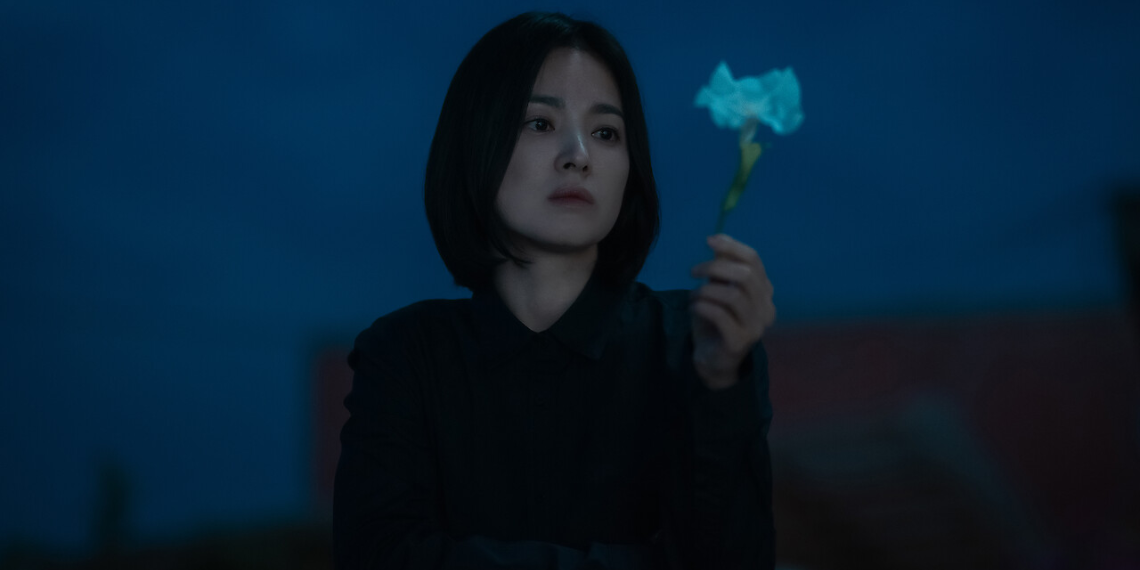
The classic heroes of Korean dramas used to share one trait in common: a benevolent, self-sacrificing, and noble personality, even when they had every reason not to be. A model K-drama lead could be poor, wronged, or brokenhearted, but never evil. This archetypal model is now being dismantled as the protagonist takes new forms: of a revenge-seeking survivor in ‘The Glory,’ a mafioso consigliere meting out his own version of justice in ‘Vincenzo’ and an emotionally tangled character in ‘Nevertheless.’
From Clean-Cut to Complex

Asking any fan of K-dramas from the early to mid-2010s to describe the ideal male lead character would yield an almost unanimous response: charismatic and noble, rich and benevolent, scared and ultimately incapable of corruption. Entire plots were constructed around the purity of a male protagonist being his saving grace, as well as the female protagonist’s. Villains were evil simply for the sake of being defeated, and there was never a doubt about who would win.
‘Vincenzo,‘ with its protagonist, who is a Korean-Italian mafia lawyer meeting out extrajudicial justice with the same coolness as your average crime lord, and ‘The Glory’ with its protagonist who carries out her years-long revenge plan against her former tormentors at high school methodically, calculatingly, and in a morally problematic yet completely satisfying way, have nothing in common with those clean-cut heroes from earlier dramas. Their protagonists are heroes not because they follow conventional morality, but because their actions ultimately serve their own sense of justice, however far they may stray from the “right” way.
Why Audiences – Particularly Gen Z – Are So Into ‘The Grey’
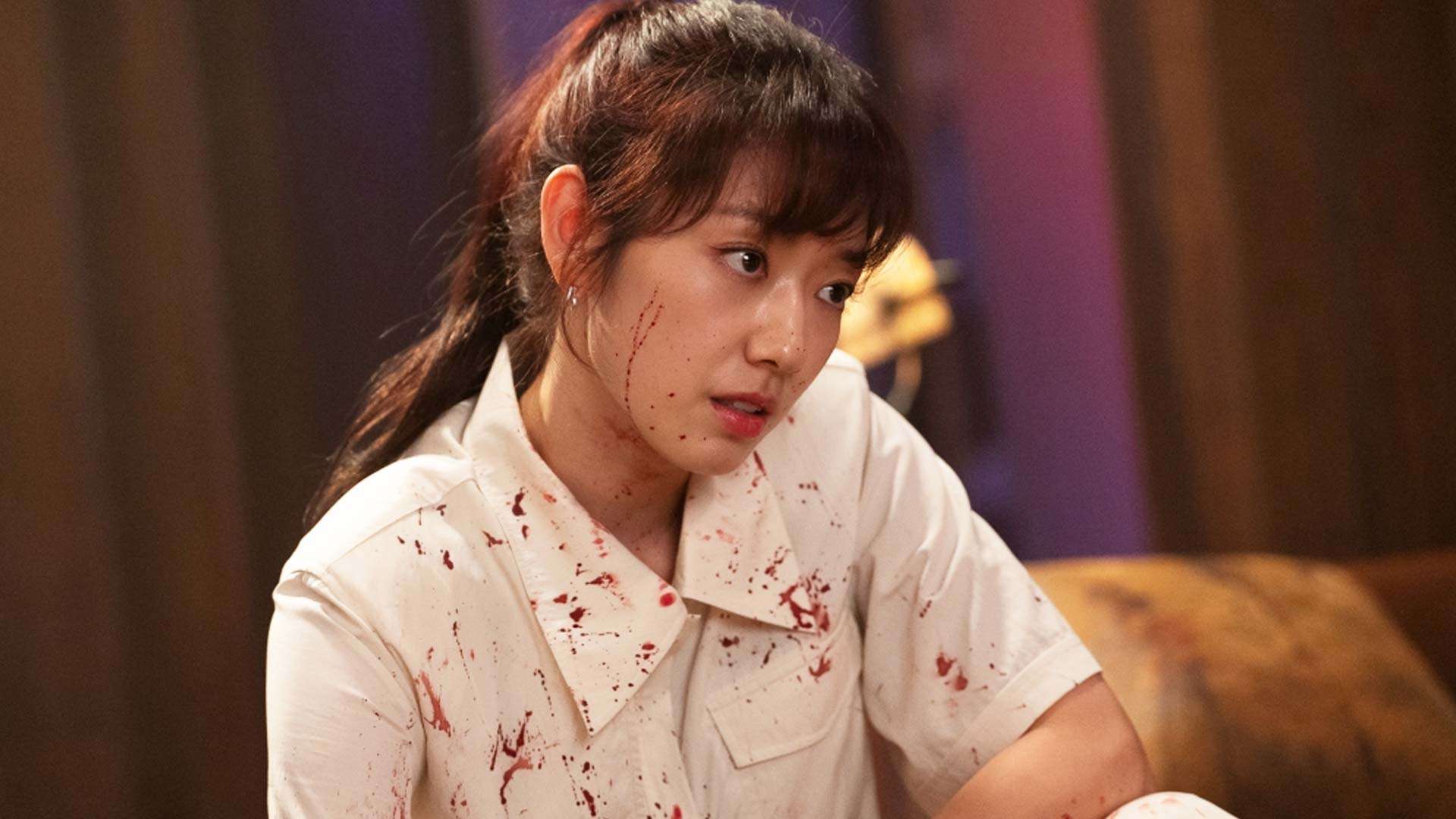
There appear to be a few factors working together to create this trend:
- Distrust of easy morality. In today’s age of repeated failures of institutions, cultural reckoning through cancel culture, and round-the-clock media broadcasting the disconnect between public persona and personal truth, younger audiences have grown increasingly wary of stories where characters are “good,” unburdened by any price or complication. A perfect protagonist may come off as propaganda rather than aspirational.
- Pain over pleasure. While “revenge fantasies” such as ‘The Glory’ may provide a similar plot to a redemption arc, they offer an additional element of catharsis – that of someone getting vengeance in a way that transforms them, for better or worse. It’s a unique emotional payoff compared to the familiar “nice guy wins” formula.
- Realism in Intimacy. While ‘Nevertheless’’s Park Jae-eon is not a villain, he is a selfish, uncommitted, and emotionally closed-off character. The audience identified with him and debated his faults because they had encountered similar personalities outside the make-believe world of fairy tales and could see themselves in him.
- The Global Exchange of Genres. With Korean dramas vying for space on the same networks as high-quality Western television series featuring antiheroes, from‘Breaking Bad’ to ‘Succession,’ there is a pressure to create more psychologically complex characters.
What is Lost and Gained?

There is a loss involved, however. The older K-dramas provided the comfort of a kind of clarity: the guarantee that good will eventually win and the brutality of the narrative will be put to an end. Morally ambiguous storytelling loses this aspect of comfort. It also forces viewers to consider the difficult question of whether or not the work is offering a critique of the theme being explored, or if it is merely playing into it – whether ‘The Glory,’ for example, questions the morality of revenge, or just feeds into it.
The gain is in the expanded possibilities of telling stories, allowing writers to create complex characters based on their own contradictions. It gives actors material that has depth psychologically, and viewers complex protagonists who resemble them – self-interested, flawed, sometimes cruel – rather than moral lessons personified.
Redefining the Hallyu Narrative

What is important here is that this development goes beyond single TV series. With Hallyu stories becoming not niche content anymore, but regular programming for global audiences on global media platforms, the readiness to accept morally complex characters is a sign of a maturing industry that is ready to give up melodramatic clichés and face ambiguous situations. While it is still to be seen whether this trend will finally replace the “clean-cut” hero or just expand the genre’s boundaries, the popularity of such morally grey characters indicates that the audience is not just putting up with these heroes — but actively craving them.
A perfectly moral hero is not dead. But he is not the only one whose story K-dramas can tell.
Written by: Pranjal Ghosh
Connect with us on Instagram | X | YouTube for more content, interviews, & news.