
For avid K-Pop listeners, some positions within a group are easy to recognize, such as the main vocalist, main dancer, eldest member, and youngest member. One role, however, often intrigues new fans: the leader.
Unlike Western bands, where leadership is usually shared informally among members, most K-pop groups have an officially designated leader (though there are exceptions). It is a title that carries far more responsibility than many fans realise.
What Do Leaders Do?
A leader is, essentially, the representative of the group, particularly during company meetings, interviews, and award shows. Acting as the official spokesperson, they are usually the first to introduce the group, deliver acceptance speeches, and answer questions on behalf of the members. They serve as the primary link between the group and the company.
Behind the camera, however, is where a leader’s role becomes more complex. K-Pop groups are no strangers to demanding schedules, especially during a comeback. During these periods, it falls on the leader to uplift the group’s morale and reinforce teamwork and communication among the team members. When conflicts arise, the leader often acts as a mediator, resolving disagreements and ensuring that every member’s voice is heard.
Leaders do not hold authority over other members, but they facilitate discussions and encourage each other to express themselves openly in case of differing opinions. A leader is, therefore, someone every member of the group must trust wholeheartedly. While every position within a group is equally important, the additional responsibilities make the leader an important support system within a K-Pop group.
Selection Of A Leader
Every K-Pop group and entertainment company has its own method of choosing a leader. Sometimes the trainee with the most experience is chosen and in other cases, the leader is elected through a peer voting system within the group and company staff.
Despite the strict hierarchy observed in the K-Pop industry, age is not a definitive factor in determining the leader of a team. The ability to mediate, communicate and instil morale within the members influences the final decision.
One notable example is ENHYPEN’s Jungwon. Despite being the second youngest member, Jungwon was appointed the leader. In a video shared on ENHYPEN’s official YouTube channel, the leader selection process was shared in detail. Heesung and Jungwon were the top two candidates for the position. Heesung, as he was already the oldest member, ultimately declined the role to not overburden himself. The remaining members supported Jungwon’s appointment and promised to share the weight of the leadership together.
Not All Groups Have A Leader

But not all K-Pop groups necessarily have a leader. BLACKPINK is one of the most popular examples. With no official leader, the four members said they preferred to have a democratic approach to decision-making. Having spent years together training and forming a close friendship before debut, they decided to forgo the usual hierarchy of leadership. However, in matters where they do need a mediator, the members revealed they turn to Jisoo, the oldest member of the group.
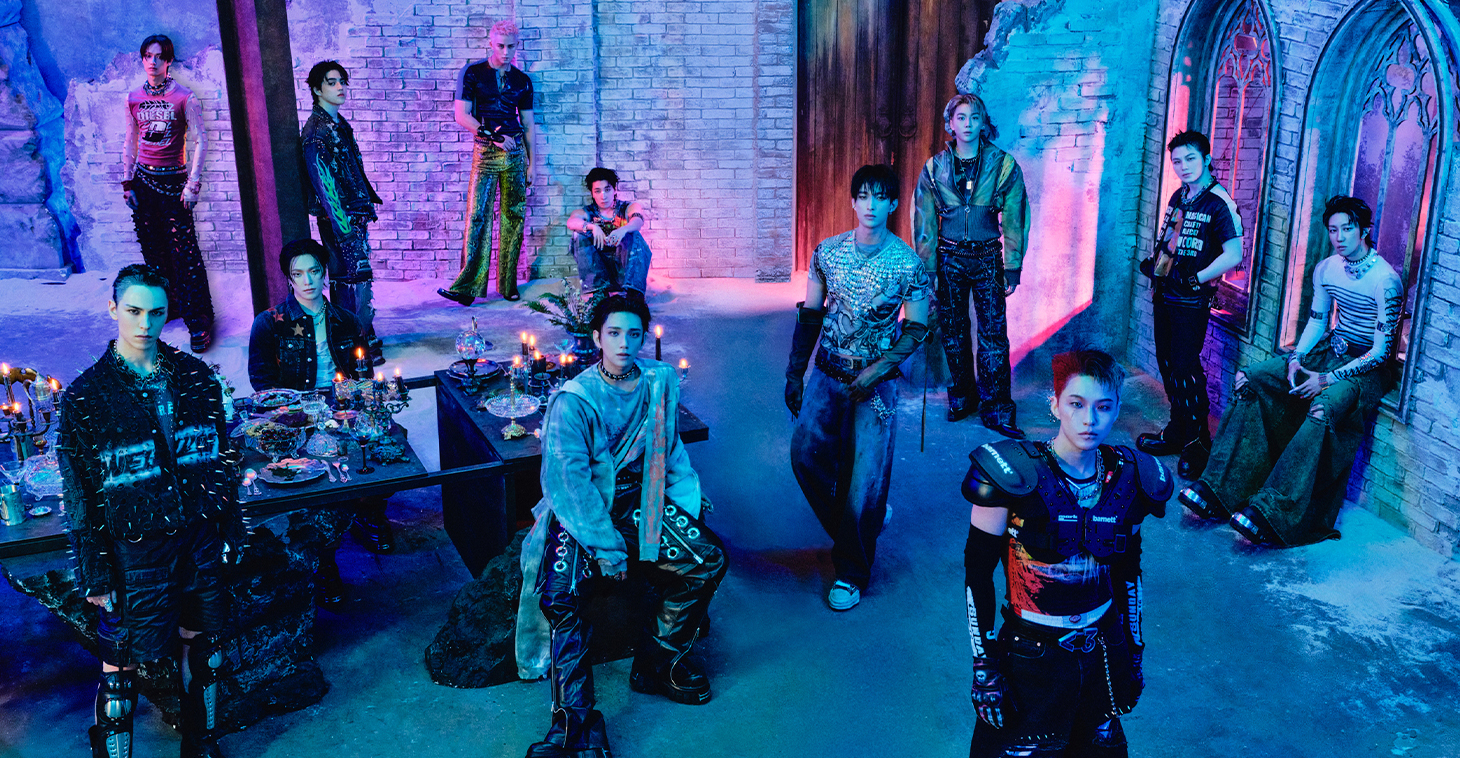
While unusual, it is also entirely possible for a group to have more than one leader. SEVENTEEN, the thirteen-member boy group, is divided into three sub-units (hip-hop, rap and performance). Each sub-unit has its own designated leader to oversee decision-making and communication, while maintaining the group’s unity as a whole.
The Weight Behind The Title
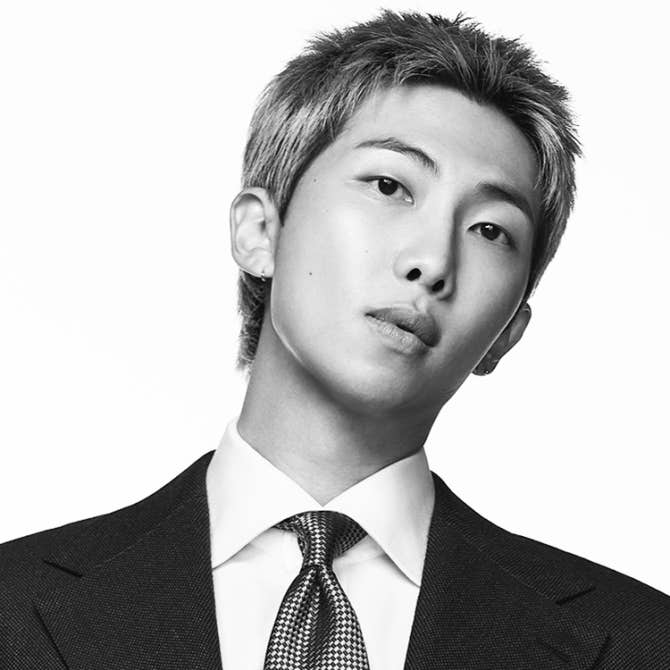
Although not every K-Pop group follows the traditional leadership model, the position remains one of the most demanding roles in the industry.
Being a leader may appear glamorous, but the role comes with immense pressure. Leaders are often the first to address difficult questions or any controversy regarding their group.
One such example is BTS’s RM, who spoke candidly during the group’s 2019 ‘Map of the Soul: Persona’ press conference. Responding to a reporter’s question, he reflected on the emotional responsibility of leading one of the world’s biggest music groups and the pressures that accompanied global fame. His honesty highlighted one of a leader’s most important duties: representing the entire team with maturity and accountability.

Tomorrow X Together’s Soobin has also often talked about the weight of his role as the leader. During Weverse lives and through fan comments, fellow member Taehyun shared that the group’s hierarchy was structured so that all communication with the company, including personal problems, was handled solely through Soobin. Any approval, rejection, or criticism was delivered through Soobin.
Soobin commented how he felt like the bad guy whenever he had to deliver any negative feedback to the group, and how the members were often brought to tears from the harsh evaluations. His anecdote exemplifies how leadership often involves emotional labor that fans rarely witness.
Leadership In The West

While leadership exists in Western bands, too, it is more flexible and informal than in K-Pop groups.
While K-Pop groups are formed by entertainment/label companies through rigorous training periods and monthly evaluations (and sometimes even survival shows), Western bands are formed more organically. Band members often strike up a friendship first, exploring music interests together before forming a band. One notable example is the British rock band Queen.
Some groups are family members with a shared love of music, such as the Jonas Brothers, while others are brought together through talent shows, like One Direction and Fifth Harmony.
There’s an existing familiarity between the members before they form a band, which contributes to their leadership and decision-making. Band members often distribute roles among themselves, take creative direction in their artistry, and ensure each member’s voice is heard.
K-Pop groups, however, share a different origin. Trainees spend several years taking lessons and living together, yet some members may not become particularly close until the final debut lineup is confirmed. In instances like this, entertainment companies appoint a leader to serve as the bridge between the members.
Since group members live and train together, it is natural for conflicts to arise. Having a formally appointed leader to handle it and mediate ensures the group’s harmony and teamwork.
Ultimately, the difference lies in how leadership is structured. Western bands typically allow leadership to evolve naturally through friendship and collaboration, whereas K-Pop groups adopt a more formal leadership system to ensure clear communication, stability, and unity.
Written by: Deborah Sridhar
Connect with us on Instagram | X | YouTube for more content, interviews, & news.